

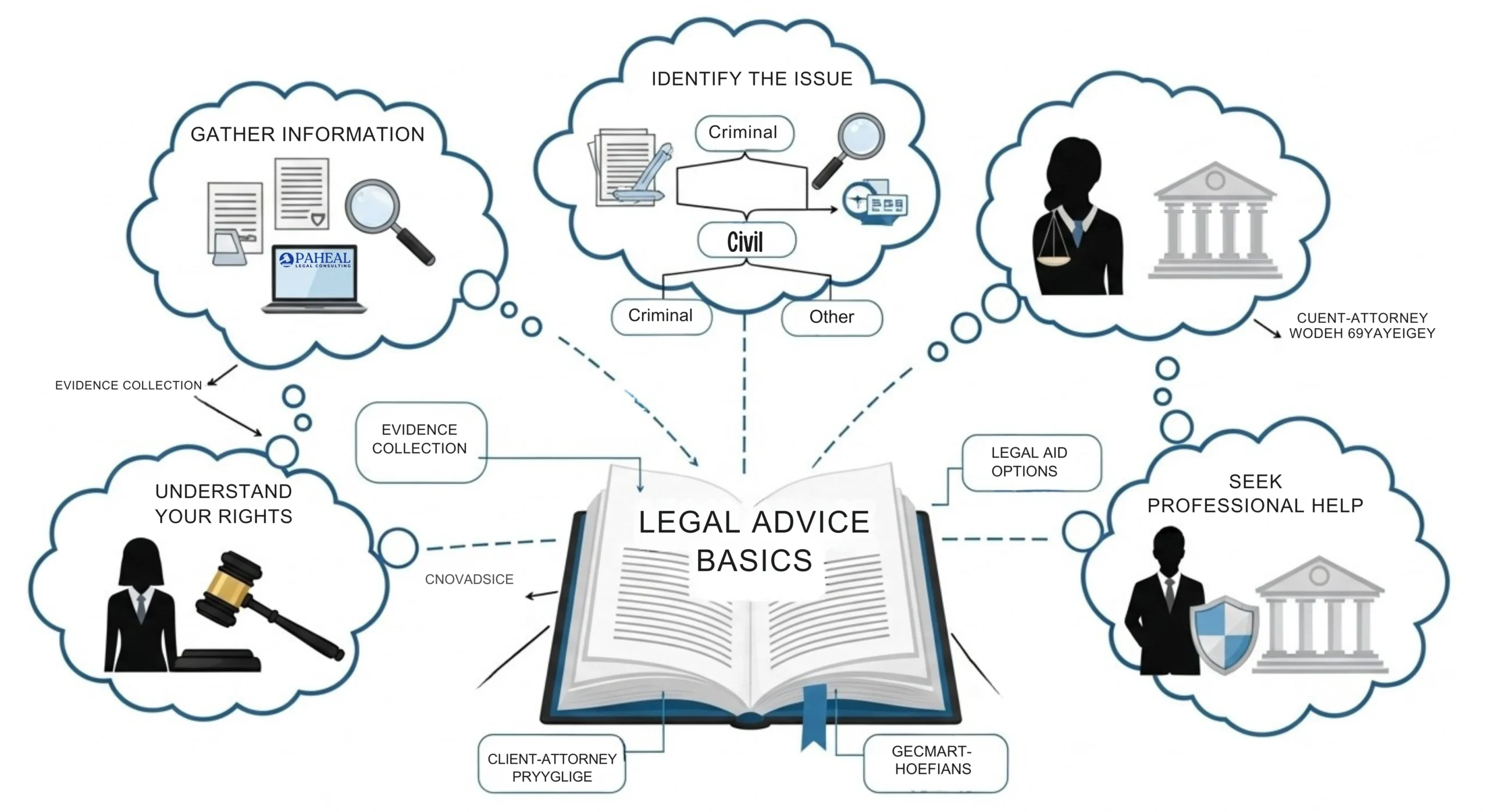
Have you ever stared at a contract, a legal notice, or court documents and felt completely lost. You’re not alone. Every year, millions of Americans face legal situations they don’t fully understand, and many of them don’t know where to turn for help. Understanding the basics of legal advice isn’t as complicated as it seems, and this guide will walk you through everything you need to know.
Whether you’re dealing with a landlord dispute, going through a divorce, starting a business, or simply want to be prepared for whatever life throws your way, knowing how to get proper legal guidance can save you money, stress, and potentially serious consequences down the road.
What Exactly Is Legal Advice
Understanding the Definition:
Legal advice is personalized guidance from a licensed attorney that applies to your specific situation. It’s not just general information about laws or rules. When a lawyer gives you legal advice, they look at the facts of your case, consider the relevant laws in your state, and tell you what actions you should or shouldn’t take.
Here’s an important distinction many people miss: There’s a big difference between legal advice and legal information. Legal information is general knowledge about laws and procedures that anyone can share. For example, knowing that the legal voting age is 18 is legal information. But understanding whether you can sue your employer for wrongful termination based on your specific circumstances? That’s legal advice.
Why This Difference Matters:
When you rely on general legal information without personalized advice, you might make decisions that harm your case or violate your rights. According to studies, roughly 41% of people who represent themselves in court face negative outcomes partly because they acted on general information instead of getting tailored advice. That’s a significant number, and it highlights why getting proper legal guidance matters.
When Do You Actually Need a Lawyer
Recognizing the Warning Signs:
Not every situation requires an attorney, but certain circumstances absolutely demand professional legal help. Here are the times when you should seriously consider hiring a lawyer:
You’re facing criminal charges of any kind, including serious traffic offenses like DUI. Criminal cases can affect your freedom, your record, and your future employment prospects. The stakes are simply too high to handle alone.
Someone is suing you, or you’re planning to sue someone else, for a significant amount of money. When substantial financial stakes are involved, having professional representation can make the difference between winning and losing thousands of dollars.
The other side already has a lawyer. Walking into any legal situation where the opposing party has professional representation while you don’t puts you at a serious disadvantage. Lawyers know procedural rules, negotiation tactics, and legal strategies that most people simply don’t understand.
You’re going through a complicated divorce, especially one involving children, significant assets, or disputes over property division. Family law matters affect your most important relationships and financial future for years to come.
You need to navigate complex business transactions, contracts, or regulatory compliance. Business law mistakes can cost you your company, your savings, or your reputation.
You’re buying or selling real estate, particularly if it’s a commercial property or involves unusual circumstances. Real estate transactions involve significant money and complex legal documents that require careful review.
Situations You Might Handle Yourself:
On the flip side, some legal matters don’t always require a lawyer. Small claims court cases under your state’s dollar limit, simple uncontested divorces where both parties agree on everything, routine name changes, and minor traffic tickets can often be handled without professional help. Many courts even have self-help centers that provide forms and guidance for straightforward matters.
| Situation: | Do You Need a Lawyer: | Why: |
|---|---|---|
| Criminal charges | Yes, always | Your freedom is at stake |
| Personal injury claim | Usually yes | Complex laws and insurance tactics |
| Uncontested divorce (no kids/assets) | Often optional | Straightforward paperwork |
| Business formation | Recommended | Proper structure prevents future problems |
| Writing a simple will | Depends | Online tools work for basic estates |
| Landlord-tenant dispute | Sometimes | Depends on complexity and amount at stake |
| Child custody battle | Yes | Courts closely scrutinize these cases |
| Real estate purchase | Recommended | Protects your investment |
| Small claims court | Usually no | Designed for self-representation |
| Employment discrimination | Yes | Complex federal and state laws apply |
Different Types of Lawyers and What They Do
Finding the Right Specialist:
Lawyers specialize in different areas just like doctors. You wouldn’t go to a dermatologist for heart surgery, and you shouldn’t hire a corporate attorney to handle your criminal defense case. Understanding the main types of lawyers helps you find the right match for your needs.
Family Law Attorneys handle divorces, child custody disputes, adoption proceedings, prenuptial agreements, and domestic violence cases. They understand the emotional weight these cases carry and know how family courts operate in your state.
Criminal Defense Lawyers represent people accused of crimes, from misdemeanors to felonies. They know how to negotiate with prosecutors, challenge evidence, and protect your constitutional rights throughout the criminal process.
Personal Injury Lawyers help people who’ve been hurt through someone else’s negligence. This includes car accidents, slip and fall incidents, medical malpractice, and workplace injuries. Most work on contingency fees, meaning you don’t pay unless you win.
Estate Planning Attorneys help you prepare for the future through wills, trusts, powers of attorney, and healthcare directives. They ensure your assets go where you want them and help minimize estate taxes.
Employment Lawyers handle workplace issues like wrongful termination, discrimination, harassment, and wage disputes. Some represent employees, while others work for employers.
Real Estate Attorneys guide clients through property purchases, sales, leases, and disputes. They review contracts, conduct title searches, and ensure transactions comply with local laws.
Business and Corporate Lawyers assist with forming companies, drafting contracts, mergers and acquisitions, intellectual property protection, and regulatory compliance.
Immigration Lawyers help individuals and families navigate visa applications, green card processes, citizenship, and deportation defense.
How Much Do Lawyers Actually Cost
Understanding Fee Structures:
Let’s be honest: lawyer fees worry most people. But understanding how attorneys charge can help you budget appropriately and even negotiate better terms.
Hourly Rates are the most common billing method. Lawyers charge for each hour or fraction of an hour they work on your case. Rates typically range from $150 to $500 or more per hour, depending on the attorney’s experience, location, and specialization. Urban lawyers and those at large firms generally charge more than rural practitioners or solo attorneys.
Flat Fees work well for predictable, routine matters. Creating a simple will, handling an uncontested divorce, or resolving a traffic ticket might cost a set amount regardless of how long it takes. Always ask what the flat fee covers and whether additional charges might apply if complications arise.
Contingency Fees mean you pay nothing upfront. Instead, the lawyer takes a percentage of any money you recover, typically 30% to 40%. If you lose, you owe nothing for attorney fees (though you may still owe court costs). This arrangement is common in personal injury cases and makes legal representation accessible even if you can’t afford upfront costs.
Retainer Fees are advance payments held in trust. The attorney bills against this retainer as work progresses. When the retainer runs low, you may need to replenish it. Think of it like a deposit on legal services.
What Affects the Total Cost:
Several factors influence what you’ll ultimately pay: the complexity of your case, how much time it requires, whether it goes to trial, the attorney’s experience level, and your geographic location. Always get a written fee agreement before hiring any lawyer, and don’t hesitate to ask for estimates of total costs.
Free and Low-Cost Legal Help Options
Resources for When Money Is Tight:
Not everyone can afford a private attorney, and that’s okay. Several resources exist to help people access legal assistance regardless of their income level.
Legal Aid Organizations provide free civil legal help to people who meet income requirements. Funded by the government and private donations, these nonprofits focus on critical issues like housing, family law, public benefits, and consumer protection. The Legal Services Corporation funds organizations in every state that serve households earning up to 125% of the federal poverty guidelines.
Pro Bono Programs match low-income clients with volunteer lawyers who handle cases for free. Many attorneys donate their time to give back to their communities, and bar associations often coordinate these programs.
Law School Clinics let supervised law students provide legal assistance at no cost. While students handle the work, licensed professors oversee everything. These clinics offer practical experience for students while serving community members who need help.
Online Resources like LawHelp.org and the American Bar Association’s Free Legal Answers platform connect people with information and volunteer attorneys who answer questions online. These won’t replace personalized representation, but they can point you in the right direction.
Self-Help Centers at many courthouses offer forms, instructions, and sometimes brief consultations to help people represent themselves in straightforward matters.
How to Prepare for Meeting a Lawyer
Getting Ready for Your Consultation:
Making the most of your time with an attorney means coming prepared. Here’s how to get ready:
Write down the key facts of your situation in chronological order. Include dates, names, and important details. Being organized helps the lawyer quickly understand your case.
Gather all relevant documents. This might include contracts, letters, emails, court papers, photographs, medical records, or anything else related to your legal issue. Make copies so you can share them without losing your originals.
Be completely honest about everything, including facts that might seem embarrassing or harmful to your case. Attorney-client privilege protects your conversations, and your lawyer needs the full picture to give you accurate advice. Surprises that come out later can derail your case.
Know your budget and be ready to discuss fees. Understanding what you can afford helps the lawyer recommend appropriate options for your situation.
Your Rights When Working With an Attorney
What You Can Expect:
Once you hire a lawyer, you have certain rights in that professional relationship. You’re entitled to regular updates about your case status, copies of all documents filed on your behalf, honest assessments of your case’s strengths and weaknesses, and explanations you can understand about legal strategies and options.
You also have the right to make major decisions about your case, like whether to accept a settlement offer or go to trial. Your attorney advises, but you decide.
If the relationship isn’t working, you generally have the right to fire your lawyer, though doing so may have financial and timing implications you should understand first.
Taking the Next Step
Moving Forward With Confidence:
Legal issues don’t have to be terrifying. With the right information and proper guidance, you can navigate even complicated legal matters successfully. Remember that seeking legal advice early usually saves money and prevents problems from getting worse.
Don’t wait until a small issue becomes a big crisis. If something in your life has legal implications, take time to understand your rights and options. Whether that means consulting a lawyer, using free legal resources, or simply educating yourself, taking action puts you in control.
The legal system exists to protect your rights. Understanding legal advice basics is the first step toward making sure those protections actually work for you.
Disclaimer: This article provides general information about legal topics and is not a substitute for professional legal advice. Laws vary by state and change frequently. Always consult a licensed attorney in your jurisdiction for advice about your specific situation.